
 English
 Français
 Español
 Português
 Deutsch
 Nederlands
 Română
 Polski
 Italiano
 Suomi
Suomi Dansk
Dansk Čeština
 Ελληνικά
 Svenska
 Nynorsk
 Українська
 Русский
 Latviešu
 Magyar
 Lietuvių
The world of bank transfers can sometimes seem complex. A frequent question remains: "Can I cancel a bank transfer?" Whether due to an error or a change of decision, it’s crucial to understand the possibilities and limitations of canceling a bank transfer. This article explores this topic in depth to provide you with all the necessary information to handle your banking transactions with confidence.
The different types of bank transfers
To begin, it is helpful to distinguish between the various types of transfers available. The most common are internal transfers (within the same bank), SEPA transfers (Single Euro Payments Area), and international transfers outside SEPA. The cancellation process can vary depending on the type of transfer initiated.
An internal transfer involves moving funds between two accounts within the same banking institution. These transactions are generally fast, often instantaneous, making their cancellation challenging.
Canceling an internal transfer largely depends on the IT systems of each bank. Some banks allow a very short cancellation window, usually a few minutes after the transfer is initiated. It’s essential to contact your bank immediately if you wish to stop this type of transaction.
A SEPA transfer involves money transfers within the European Economic Area. These aim to harmonize euro-denominated bank transactions, facilitating commercial exchanges within this zone. The standard processing time for a SEPA transfer is one to two business days.
If you need to cancel a SEPA transfer, act quickly. Banks often allow cancellation as long as the funds have not yet left the sender’s account. However, once the transfer is processed, cancellation becomes nearly impossible without the recipient’s consent.
Outside the SEPA zone, international transfers involve different currencies and potentially longer delays. This type of transaction can take several days or even a week before the funds are credited to the recipient’s account.
Canceling an international transfer can be complicated due to the number of financial intermediaries involved. However, during the initial processing period, it is often possible to cancel by directly contacting your bank. Cancellation fees may apply based on your bank’s policies.
Why would you want to cancel a transfer?
Several reasons may lead someone to seek to cancel a transfer. Whether due to an oversight or a sudden change, here are some common scenarios:
Steps to attempt canceling a transfer
Now that we’ve reviewed common reasons and types of transfers, here’s a practical guide on how to attempt canceling a transfer:
Specific cases and alternative solutions
There are also specific situations where canceling a transfer may follow alternative methods. Let’s explore some of these particular cases.
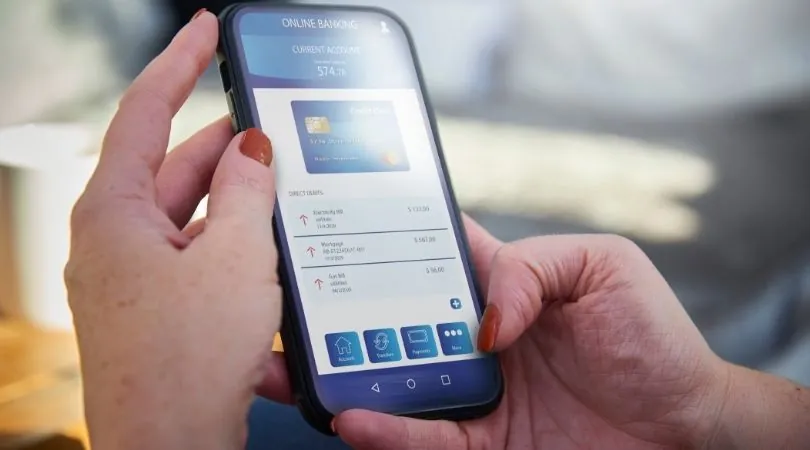
With the rise of mobile banking services, many transfers are now done via apps. By default, these transactions are often immediate for convenience. If an error occurs, some apps offer a quick cancellation option if they detect a global input issue.
However, in the absence of such features, reaching out to the bank’s customer service remains essential. Document all correspondence and keep timestamps of when the transfer was initiated and when you attempted cancellation.
For groups of scheduled transfers, such as monthly subscription payments, try establishing proactive communication with the organization receiving these amounts. Canceling a future scheduled transfer can be much smoother by renegotiating the terms of pre-existing agreements.
Timeframes and key challenges
It’s essential to consider the inherent timeframes of each bank for processing cancellations. In most cases, the action itself varies significantly depending on banking policies and local regulations. Some countries have consumer protection laws that allocate withdrawal periods for transfers.
Keep in mind that the success of cancellation often relies on the speed of identifying and reporting the error by the transfer originator.
In this article, we have explored in detail the various aspects related to canceling bank transfers. Understanding the different types of transfers is essential to act promptly and effectively. By knowing why and how one might want to cancel a transfer, and by following the practical steps provided, you will be better equipped to handle these delicate situations.
Of course, it is always helpful to review your bank’s specific policies and have a solid understanding of their timelines and procedures. Remember, speed is your greatest ally when dealing with bank transfer cancellations.