
 English
 Français
 Español
 Português
 Deutsch
 Nederlands
 Română
 Polski
 Italiano
 Suomi
Suomi Dansk
Dansk Čeština
 Ελληνικά
 Svenska
 Nynorsk
 Українська
 Русский
 Latviešu
 Magyar
 Lietuvių
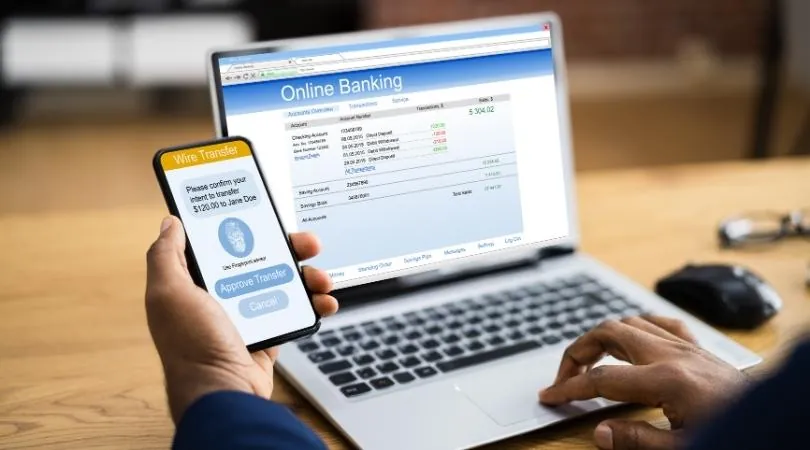
Bank transfers are an essential component of global financial transactions, and the International Bank Account Number (Iban) plays a crucial role in this system. Predominantly used in Europe and beyond, the Iban simplifies and secures international payments. But which are the exact countries using Iban? This article explores the broad range of nations that have adopted this standardized system.
What is Iban?
The Iban, or International Bank Account Number, is a unique code used to identify an individual bank account internationally. Initially developed by the European Committee for Banking Standards (ECBS), its goal was to improve communication and processing for cross-border payments. An Iban consists of several distinct parts, including a country code, two check digits, and a specific bank identifier. This format ensures each Iban is unique and can be easily verified to avoid transaction errors.
The length of an Iban varies by country but can contain up to 34 characters. Iban validation is facilitated by an integrated check algorithm, ensuring the accuracy of entered information before proceeding with transactions. This minimizes error risks and enables the swift processing of financial transfers.
SEPA zone countries
The SEPA (Single Euro Payments Area) includes the majority of European countries that have harmonized their payment systems to use the Iban for both domestic and international transactions. This initiative aims to enhance the efficiency and security of payments within the region. Below are some of the primary countries using Iban in the SEPA zone:
Beyond the original eurozone members, other European countries outside the European Union also use the Iban. Among these are:
Expansion of Iban use outside Europe
Although the Iban originated in Europe, its efficiency and simplicity have led to its adoption by several countries beyond the European continent. These nations have recognized the value of integrating this standardized system to improve their international payment processes.
The adoption of the Iban by these countries demonstrates global recognition of its benefits. By ensuring precise and unambiguous identification of bank accounts, the Iban reduces errors and increases the efficiency of cross-border payments. Many countries continue to consider or implement Iban usage in their financial infrastructures due to these clear advantages.
Common practices and future improvements
With the growing use of Iban worldwide, even daily operations between entities located on different continents have become seamless. Businesses that frequently perform international payments benefit from this standardization, ensuring speed and security in financial transactions.
Simultaneously, ongoing efforts to refine the Iban format include regular updates to its standards to meet current technological and logistical advancements. This forward-looking approach ensures that the system remains relevant and adaptable to the constant changes in the global banking sector.
One of the notable features of the Iban is its ability to verify and validate account numbers before executing transactions. The Iban validation algorithm effectively detects potential errors during data entry, helping prevent unnecessary delays and complications. Before initiating a bank transfer, this validation encourages a preliminary check to ensure the accuracy of the provided information.
For users, this proactive verification significantly reduces risks associated with incorrect payments. Banks and financial institutions strongly recommend this practice to guarantee smooth and error-free transactions. Additionally, many online tools allow users to quickly verify an Iban, making the process even more accessible and user-friendly.
Bic and related details
In addition to the International Bank Account Number, some payments may require a BIC (Bank Identifier Code). This unique code identifies the recipient bank in a specific transaction. The BIC often works alongside the Iban to provide double assurance of the accuracy of financial details used in a transfer.
If your Iban includes a BIC, ensure you have all the necessary information before making any transaction. The BIC also plays a crucial role in regions where banking regulations require this additional detail to complete a payment.
Finding your Iban and BIC may seem challenging, but this information is usually accessible through your bank statements or online customer account. Many banks display this information visibly to facilitate its use by customers. If you need additional assistance, contacting your bank's customer service is often very helpful for obtaining these precise details.
It is also possible that various official documents sent by your financial institution contain these crucial details, so carefully reviewing all received paperwork can help ensure you don’t miss any important information.
The Iban has revolutionized how we conduct international transactions by standardizing and simplifying cross-border payments. From European countries to vast territories in the Middle East and beyond, the Iban offers security and efficiency. For individuals and businesses frequently performing international payments, knowing and understanding Iban usage remains essential for navigating the global financial landscape smoothly.