
 English
 Français
 Español
 Português
 Deutsch
 Nederlands
 Română
 Polski
 Italiano
 Suomi
Suomi Dansk
Dansk Čeština
 Ελληνικά
 Svenska
 Nynorsk
 Українська
 Русский
 Latviešu
 Magyar
 Lietuvių
Nowadays, making purchases via the internet has become second nature. However, the online shopping experience comes with legitimate concerns about security. It's important to understand the mechanisms that ensure the protection of your payments and personal data. This article explores various aspects of secure online payment as well as existing solutions to strengthen consumer protection.
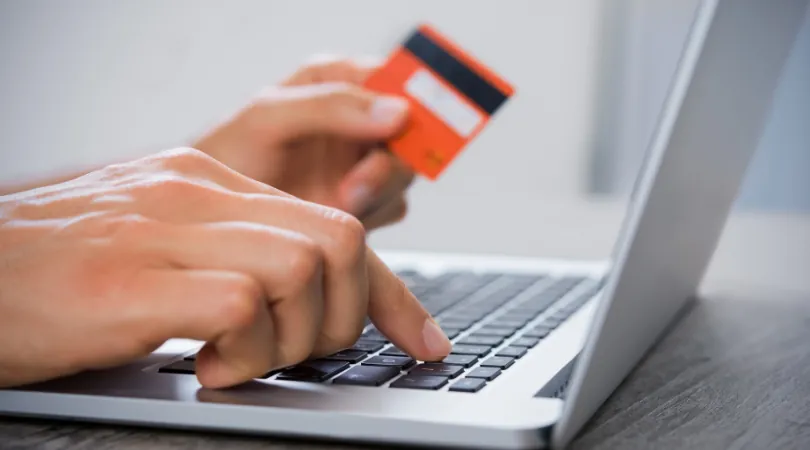
Why is online payment security important?
As e-commerce gains popularity, the matter of payment security becomes paramount. Online transactions often require entering sensitive data, such as credit card numbers and personal information. This data is a target for cybercriminals, making its protection against theft and fraud essential.
Payment security ensures peace of mind during your purchases. By guaranteeing that your information doesn't fall into the wrong hands, security protocols allow you to fully enjoy your shopping experiences without unnecessary stress. Many platforms invest in advanced technologies to strengthen consumer protection.
Different features ensure a high level of security during online payments. Transaction encryption plays a major role. Transmitted information is coded, preventing any fraudulent interception by unauthorized third parties.
Enhanced authentication is another strategy employed. It requires a second identification factor before final payment validation. This includes sending a unique code to your phone or using a dedicated authentication application. These measures ensure that only the account holder can perform transactions.
Understanding data protection during payments
Your security depends on how your data is managed by merchants. Data protection requires strict adherence to certain regulations to prevent any inappropriate use of your personal information. E-commerce sites must comply with rigorous security standards.
Adopting a transparent privacy policy is among the best practices for online businesses. You should be able to easily access information about how your data is processed. Opting for reputable payment solutions offers additional security, as these services undergo regular audits to ensure their compliance with security standards.
Identifying if a site is secure is simple thanks to a few visible indicators. One of the notable signs is the presence of a small padlock in the address bar, indicating that the site uses the HTTPS protocol. This system ensures a higher level of security compared to traditional HTTP.
Always check that your browser doesn't display security warnings before proceeding with payments. Many modern web browsers will automatically warn you if you enter a potentially unsecured site. Avoiding public Wi-Fi networks for financial transactions protects your sensitive data.
Different secure payment methods
In the field of online payment, several secure methods are at your disposal. Each has specific characteristics adapted to various consumer needs and preferences.
Multiple authentication has become an essential pillar in preventing digital fraud. It consists of two levels of identification: what the user knows (like a password) and what they possess (like a smartphone), or what they are (like fingerprints).
This addition of security layers greatly limits the possibility of account compromise. Even if your credentials are discovered, it remains impossible for a third party to access your account without the second authentication factor. It is recommended to activate this service whenever possible on accounts where you make payments.
Your rights as an online consumer
Buying online does not mean giving up your consumer rights. These rights are, if not more, protective in the context of e-commerce. They include the right of withdrawal, refund, and various protections against misleading commercial practices.
Knowing these rights allows you to act effectively if something goes wrong. Many payment solutions also incorporate contractual guarantees against fraud, thus providing additional security.
Platforms have obligations to secure your purchases. They must offer robust data management systems and implement best security practices at each stage of the customer journey. Their ability to provide adequate data protection directly influences the trust placed in their services.
In addition to internal measures, merchants must be vigilant about the partners they work with. They must conscientiously choose payment service providers that respect international security standards. This proactive surveillance improves the overall security of their operations.
FAQs on secure online payments
A security protocol is a set of rules governing how data is protected during its transfer over the Internet. A common example is HTTPS, used by websites to ensure that communications between the browser and server remain secret.
Transaction encryption transforms readable data into an encoded format that is unreadable by unauthorized third parties. Only parties with the decryption key can read this information once received. This prevents any unsolicited interpretation of your information during its digital transport.
If you suspect fraud, it is essential to act quickly. Immediately contact your bank or card provider to report the incident. They will block the card and launch an investigation. You might be reimbursed for lost amounts according to the terms of your banking contract.
Yes, electronic wallets are generally considered safe. They add additional protection by acting as an intermediary between you and the merchant. Sensitive data is never shared directly, thus reducing the risk of financial disruption and identity theft.